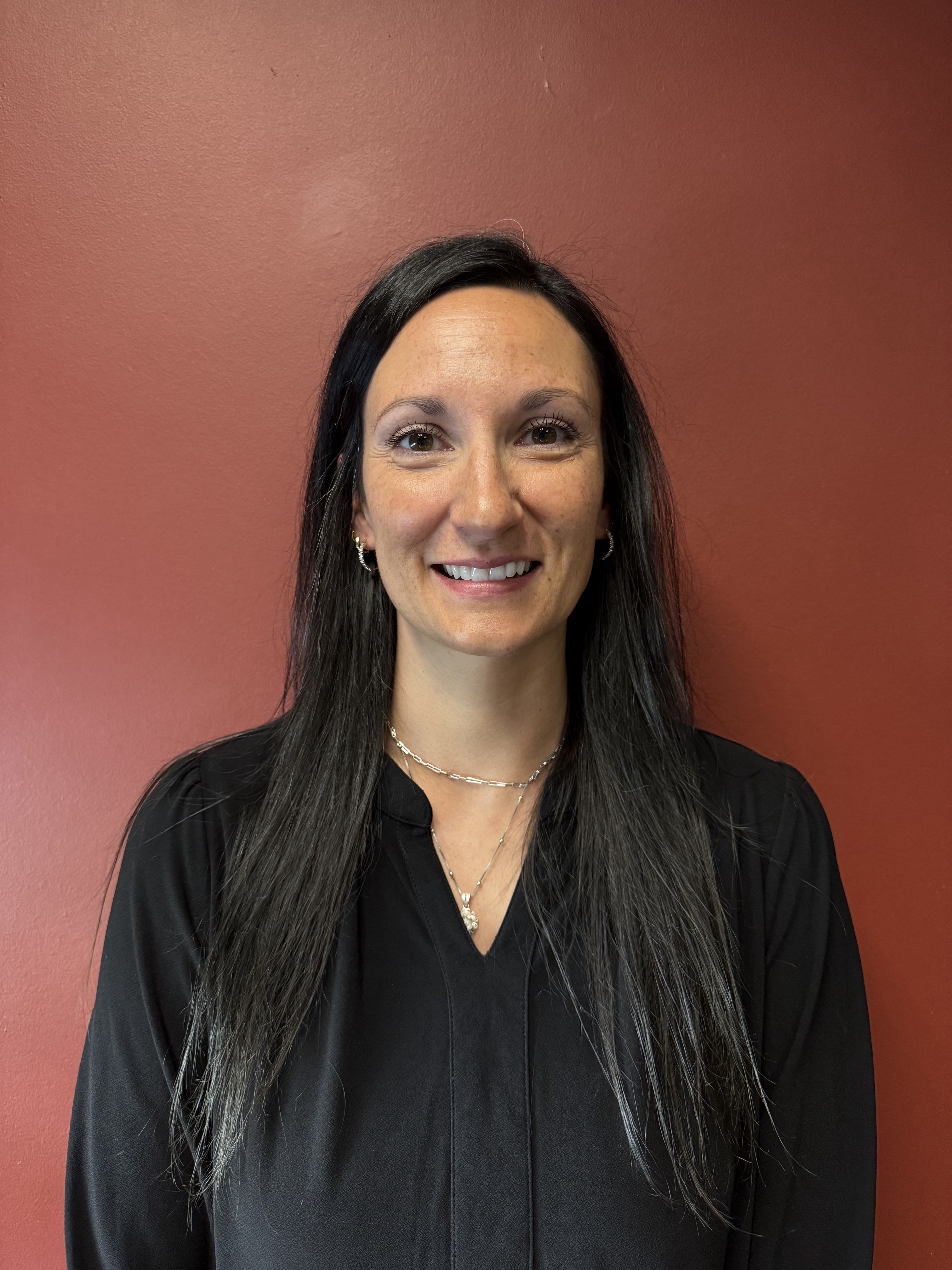
Dr. Eric Arzubi
MTPAL for Moms and Children Psychiatrist
MTPAL supports healthcare professionals caring for people who are pregnant or in the postpartum period by providing timely psychiatric consultation, clinical guidance, and connections to community resources across Montana.
Free & Confidential
Same-Day Response
Statewide Coverage In Montana
Pregnancy & Postpartum Focus

Clinical Guidance & Best Practices: Evidence-based recommendations for identifying, assessing, and treating perinatal mental health conditions.
Medication & Non-Medication Consultation: Support weighing benefits and risks of pharmacologic and non-pharmacologic interventions during pregnancy and postpartum.
Care Coordination & Referrals: Connections to community resources, specialty services, and referral pathways across Montana.
Support for Complex Stressors: Guidance for stress reactions related to pregnancy loss, complications, or significant life events.
1. Request a Consultation
Call 844-40-MTPAL or submit a brief consultation request.
2. We Triage Your Request
Our team gathers key details and confirms eligibility.
3. Get Same-Day Support
A Psychiatrist returns your call the same business day.

Dr. Eric Arzubi
MTPAL for Moms and Children Psychiatrist
Dr. Megan Verlage
MTPAL for Moms Perinatal Psychiatrist

Kelsey Bell
HRSA Project Director, MTPAL for MOMS

Kenzie Castor
Program Coordinator, MTPAL for Moms and Children

Lisa Curry
MTPAL for Moms, External Evaluator

Shawnalea Chief Goes Out
HRSA Program Manager, MTPAL for MOMS
Trusted by Pediatric Providers Across Montana
MTPAL for Moms now offers free psychiatric e-consults through DocSide’s secure platform - alongside our phone consultations. Get HIPAA-compliant consults, automated notes, and responses in under 24 hours from the same expert MTPAL team.
Interested in joining the pilot? Contact k.castor@frontier.care
Explore our Frequently Asked Questions for answers about MTPAL works.
Get the answers you need, quickly!
The Montana Psychiatric Access Line (MTPAL) is a statewide initiative that increases access and improves mental, behavioral, and emotional health and development by providing education, consultation, and care navigation to medical providers serving infants, children, adolescents, young adults, and pregnant & postpartum people.
No. MTPAL is not a crisis line. MTPAL is also not intended as a replacement for mental health services that need ongoing management by a psychiatrist or other behavioral health provider (i.e., emergency or complex cases).
If the caller’s patient is in a crisis, they will be directed to hang up, dial 9-1-1, and/or direct the patient to the nearest Emergency Department or regional crisis services.
PCPs who see patients 21 and under (up to the 22nd birthday) can utilize MTPAL’s services, including the MTPAL Line and provider education. PCPs who see perinatal patients of all ages may also utilize MTPAL's services
MTPAL Consultation typically take less than 15 minutes to complete, but can last longer for more complex cases. Our team is available to speak with providers for as long as desired. Providers often call with two or three specific clinical questions that they want answered during the call.
When you reach out to the MTPAL Line, our team will need to collect some important information about the patient before coordinating a consultation or other services. This includes:
Patient information – Name, date of birth, insurance type, zip code
Reason for the call and relevant background information
Please also remember that you should inform the parent/guardian of your intent to obtain consultative advice for these mental health concerns. You will be asked this screening question by the call center.
If you have someone calling MTPAL on your behalf (nurse, care coordinator, etc.) please make sure they are aware of the answers to these questions as it will expedite the process.
If you are a primary care provider, you can give us a call regarding your patient 8 am to 5 PM Monday through Friday. However, the MTPAL program does not provide direct patient services like a traditional mental health clinic. We are an education-based program that focuses on increasing the capabilities of primary care providers. If you would like assistance finding an appropriate referral for your patient, our team can help with that as well via the MTPAL Consult Line.
You can call us or submit an online consultation request at any time of day. Requests received before 4pm on a workday will be handled the same day. All other requests will be addressed on the following business day.
Yes, families will benefit from MTPAL if their primary care provider uses it. Please talk to your primary care provider about registering or encourage them to contact MTPAL for more information.
Any Montana clinician who is caring for the mental health of pregnant women or women in the postpartum period. This can include, but is not limited to, midwives, obstetric providers, primary care providers, pediatricians, psychiatric providers, psychologists, nurses, medical assistants, care coordinators, and social workers.
Please call about any of the following issues:
- Best-practices for the management of infants, childrent, adolescent, young adults, pregnant and postpartum patients with mental health concerns (e.g. detection, assessment and treatment of depression, anxiety, SUD, OCD, and other psychiatric disorders)
- Effective office-based interventions
- Therapy and mediation approaches
- Pregnancy loss, complications, or difficult life events
- Risks of psychiatric medications and non-medication treatments
- Community resources
No, MTPAL staff cannot provide direct treatment. We can provide you with support for managing your patient’s mental health and substance use disorders and assist with treatment referrals when necessary. We can provide a free, one-time patient evaluation on a case-by-case basis.
Yes, we can provide one-pager and other branded items for your office. Please call MTPAL for Moms and ask for these resources.
MTPAL for Moms recognizes that pediatric providers regularly counsel women in the perinatal period who may be experiencing mood, anxiety, or substance use disorders. When this happens, we encourage you to call - with the consent of your patient - so that we can help her get the resources she needs, or to help her get connected to her primary care or prenatal provider.